This page contains affiliate links. If you purchase through our links, we earn a small commission at no extra cost to you. This never influences our recommendations — we only feature products we have tested and believe in. Read our full disclosure.
Why Facial Ingrown Hairs Are Different
Facial skin — particularly on the neck and jawline — is significantly more reactive than skin on the legs or arms. It has a higher concentration of sebaceous glands, a thinner epidermis in some areas, and is subject to daily mechanical trauma from shaving. Ingrown hairs here are more likely to become inflamed, more likely to cause lasting hyperpigmentation, and more likely to recur if the underlying cause isn't addressed. For the specific challenges of ingrown hairs on the neck — including grain-mapping and post-haircut treatment — see our dedicated guide.
Men with coarse, curly beard hair are particularly susceptible to pseudofolliculitis barbae (PFB) — razor bumps. PFB occurs when curly hairs re-enter the skin after shaving, triggering a foreign-body inflammatory response. It is extremely common in men of African and Hispanic descent and requires a different management approach to standard ingrown hairs.
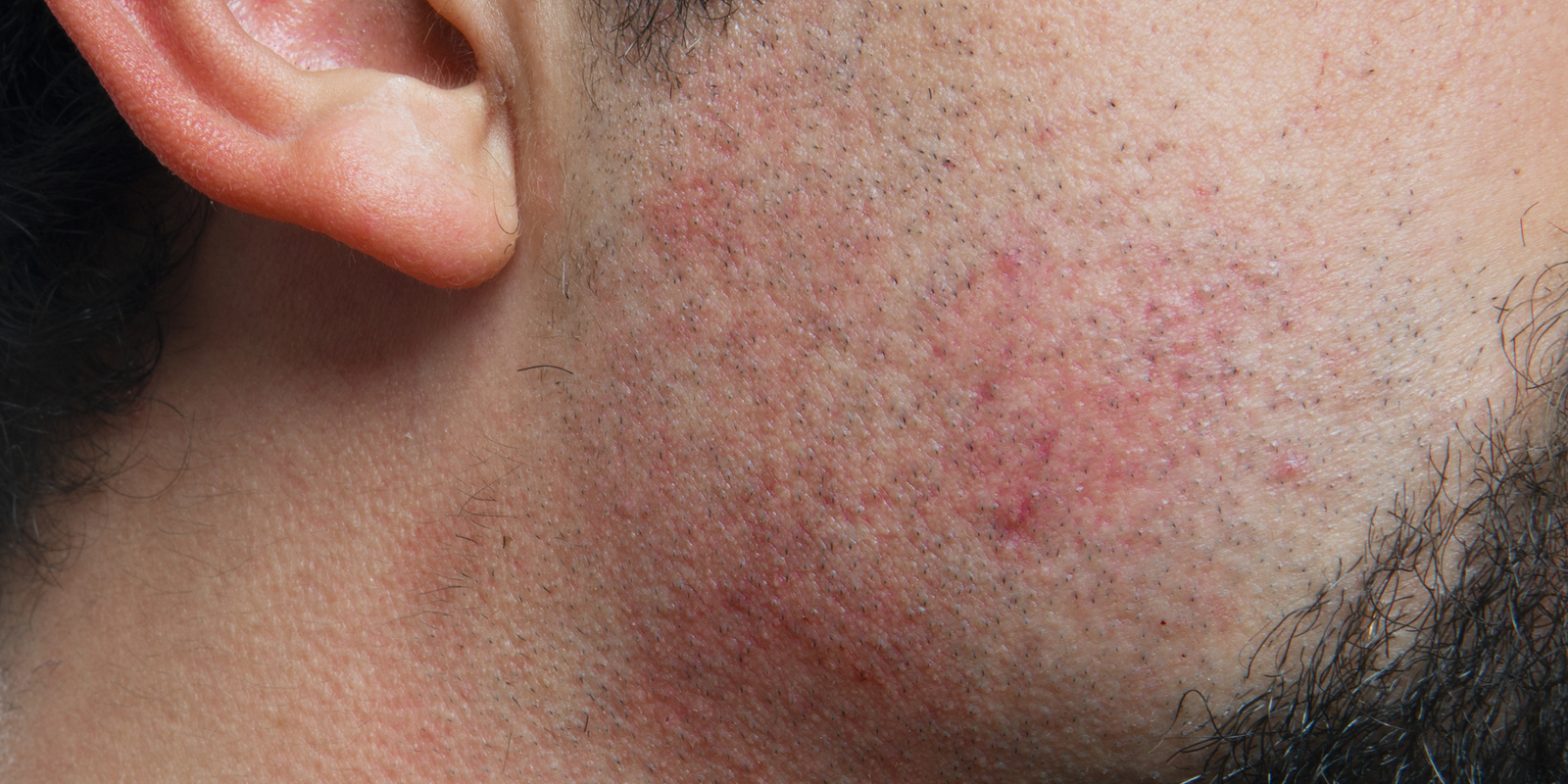
Standard ingrown hairs are caused by a hair growing under a surface layer of skin. PFB is caused by a curly hair piercing back through the follicle wall as it grows. Both are treated similarly, but PFB often requires more significant changes to shaving routine — and for some men, stopping shaving in affected areas or transitioning to laser hair removal entirely.
Treating an Existing Facial Ingrown Hair
Do not squeeze, pick, or attempt to extract with your fingers. The face heals less predictably than the body, and squeezing risks pushing bacteria deeper into the follicle, causing infection, and — most significantly — leaving a permanent scar or dark mark.
Bump Patrol, PFB Vanish, and Tend Skin head-to-head for facial post-shave use.
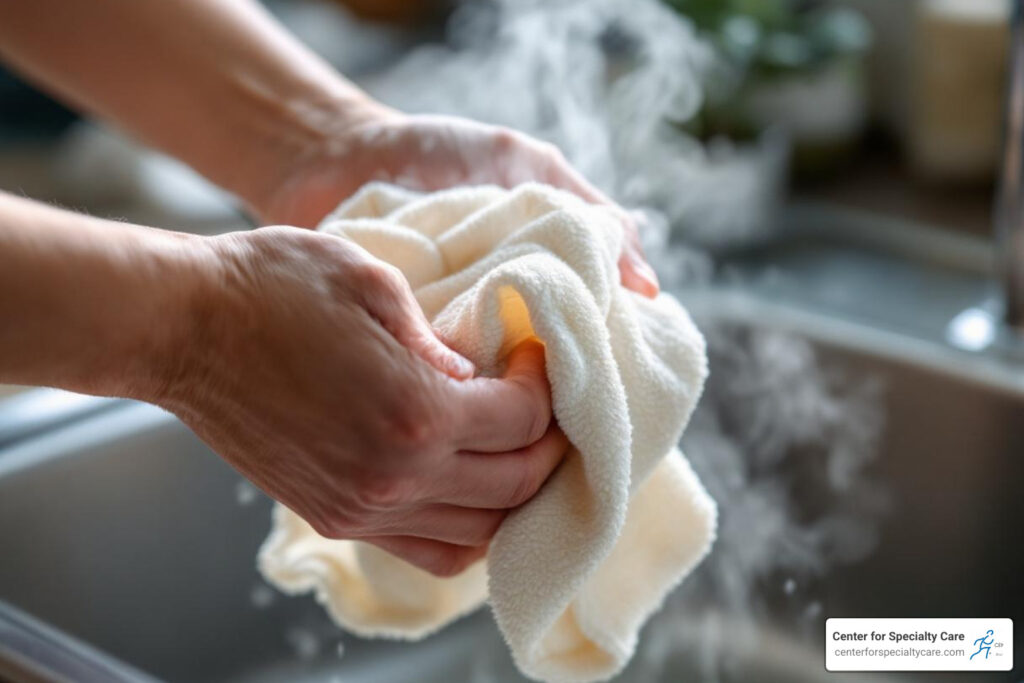
Step 1 — Warm Compress First
Apply a warm compress to the affected area for 5–10 minutes, twice daily. This softens the skin over the trapped hair, reduces swelling, and encourages the hair to move toward the surface. Do this for two to three days before any extraction attempt.
Apply a 2% salicylic acid solution to the bump twice daily — this dissolves the surface dead skin cells trapping the hair, encouraging it to break through naturally. Allow 5–7 days before concluding it isn't working. If after this period the hair is visible beneath the skin surface, it can be gently released with a sterilised precision tool.
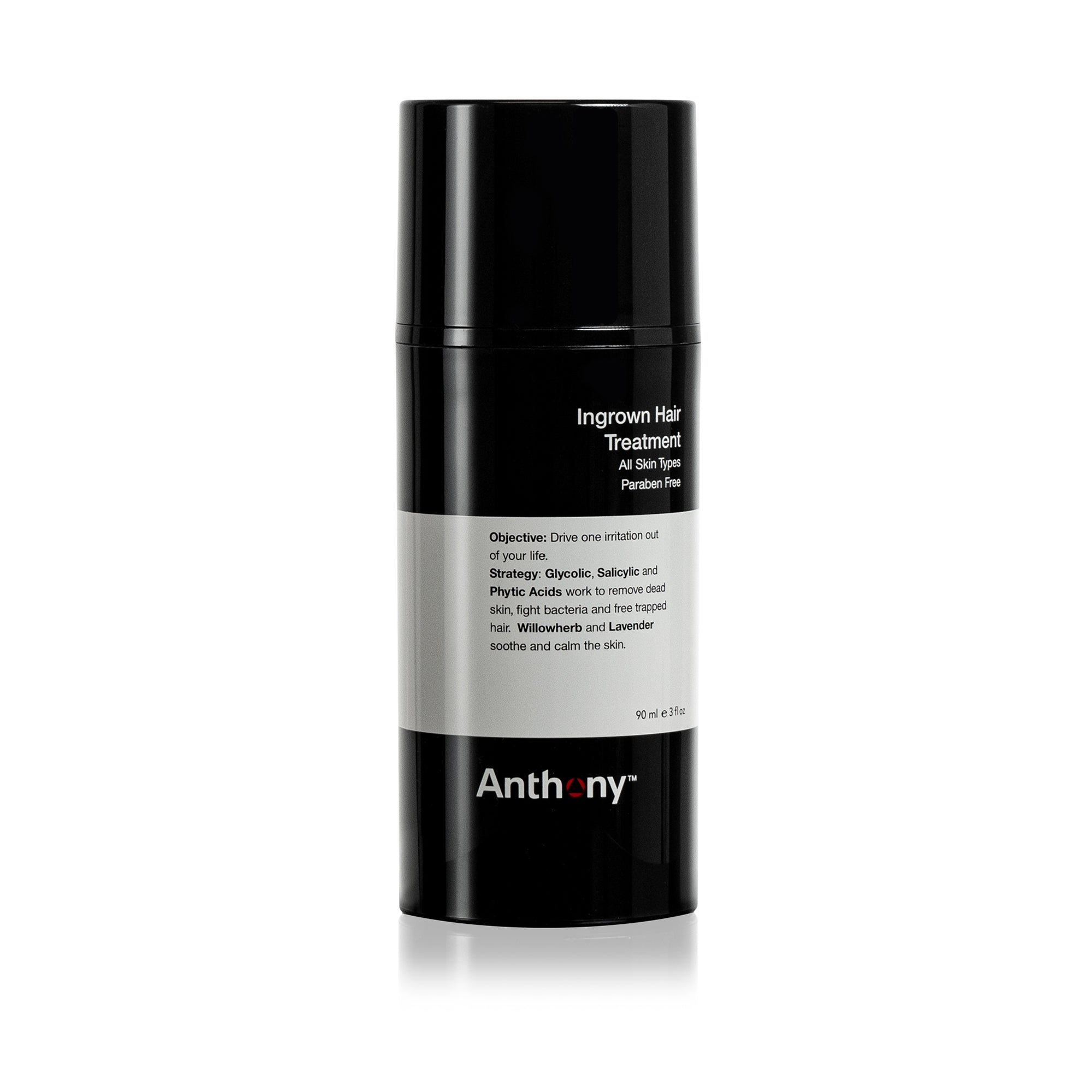
Our top-rated formula for facial ingrown hairs. Salicylic + glycolic acid. Fragrance-free. Safe for daily use on the face and neck. Apply post-shave every time.
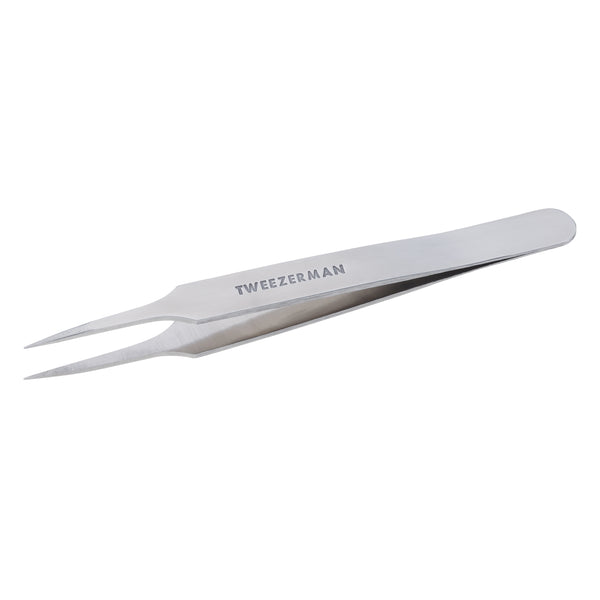
Surgical-grade precision tips for safely releasing visible facial ingrown hairs. Sterilise before use. Insert parallel to skin surface, lift gently — never dig or pull the hair fully out.
The Face & Beard Shaving Protocol
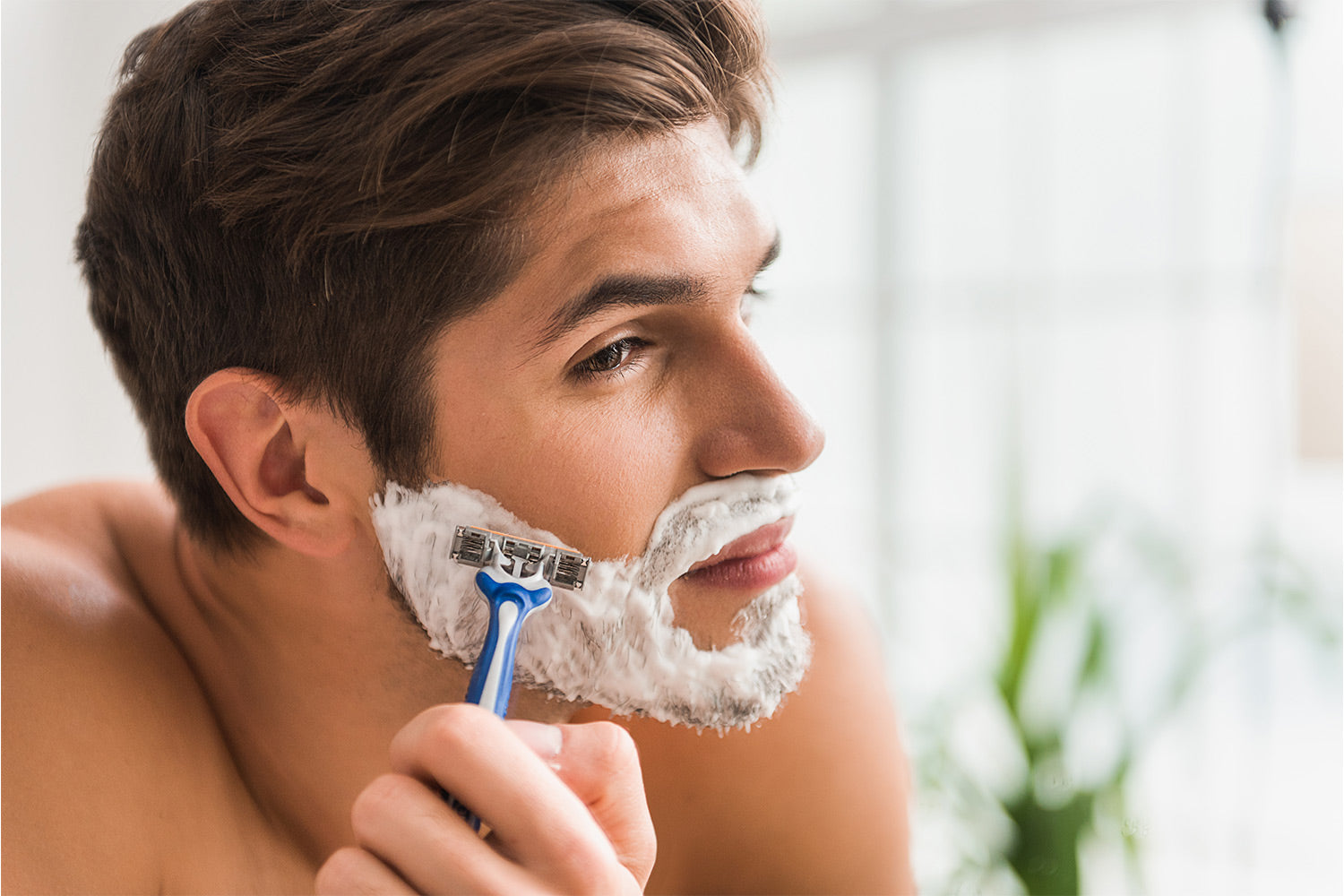
Shave after showering, never before. A hot shower softens facial hair significantly. If you shower at night, splash warm water on your face for at least two minutes before shaving in the morning. This simple change makes more difference than any premium shaving cream.
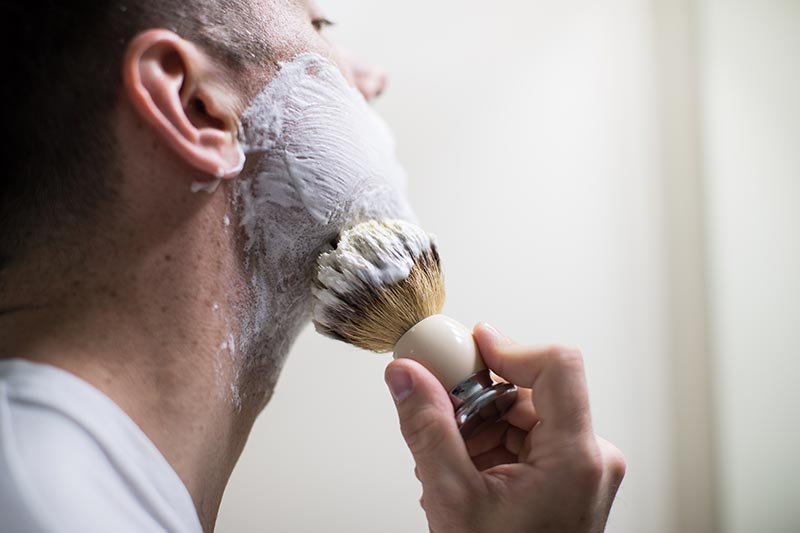
Use a proper shaving cream, not gel or foam. Aerosol gels and foams typically contain alcohol that dries the skin and reduces the lubricating layer between blade and skin. A glycerin-based shaving cream provides superior protection against blade drag and irritation. Apply with a brush — the brush lifts hairs upright before the blade arrives, ensuring a consistent cut.
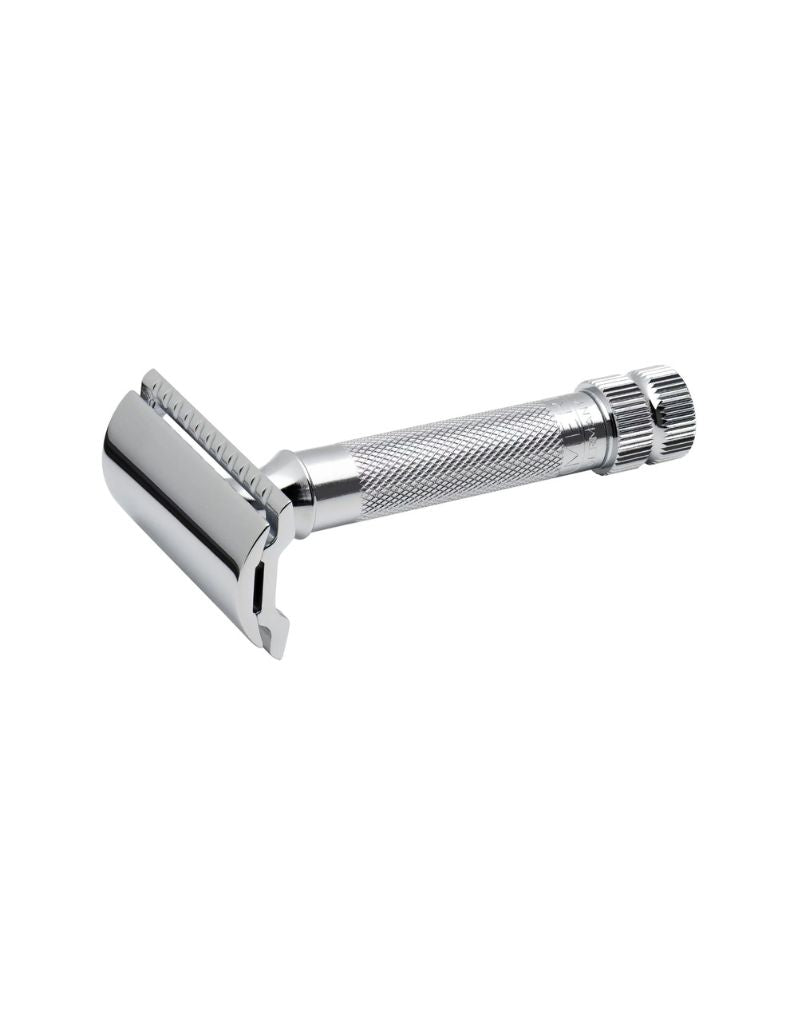
The most recommended beginner safety razor. Forgiving geometry, excellent balance. Most men see dramatic improvement within one week of switching from multi-blade cartridges.
Shave with the grain. Map your beard growth direction before shaving — it varies across different facial zones. Shave in the direction of growth for the first pass. Against-the-grain passes leave sharper tips at lower angles — significantly increasing ingrown risk on the sensitive neck area specifically.
Managing PFB (Razor Bumps)
For men with true pseudofolliculitis barbae, topical treatments alone may be insufficient. Consider these additional strategies:
- Grow a beard. PFB resolves when shaving stops. After 2–4 weeks without shaving, most PFB clears significantly.
- Electric foil shaver. If a beard isn't possible, a quality foil shaver reduces PFB compared to blade shaving by cutting above the skin surface rather than at or below it.
- Prescription topicals. A dermatologist can prescribe topical retinoids (tretinoin) and/or low-potency steroids for severe PFB — more effective than anything available over the counter.
- Laser hair removal. The most effective permanent solution for severe chronic PFB. Nd:YAG laser is safe across all skin tones and typically produces significant improvement within 4–6 sessions.
"For men with severe pseudofolliculitis barbae, I tell them the most effective treatment we have available is laser hair removal — not any cream or serum. For anyone who qualifies, it's genuinely life-changing."
Best overall for the face. Salicylic + glycolic, fragrance-free. Apply post-shave every single time.
The highest-impact upgrade for ingrown-prone men. Single blade cuts at skin level — eliminates sub-surface cutting entirely.
For controlled, safe extraction of visible ingrown hairs. Precision-aligned surgical-grade tips.