
This page contains affiliate links. If you purchase through our links, we earn a small commission at no extra cost to you. This never influences our recommendations — we only feature products we have tested and believe in. Read our full disclosure.
Understanding Ingrown Hairs on the Legs
Leg skin is generally thicker and more robust than facial or bikini skin, meaning ingrown hairs here are less likely to become infected or leave permanent marks. They are, however, extremely common — particularly on the lower legs, the back of the thighs, and the knee area where skin moves significantly and hair grows at varied angles.
The primary cause on the legs is a combination of dull razor blades (used far longer than on the face), inadequate exfoliation between shaves, and moisturisers or body lotions that create a film over follicle openings. Keratosis pilaris — the rough, bumpy "chicken skin" texture on the upper arms and thighs — is a related condition where keratin plugs block follicles, and the same exfoliation approach that treats ingrown hairs dramatically improves it.
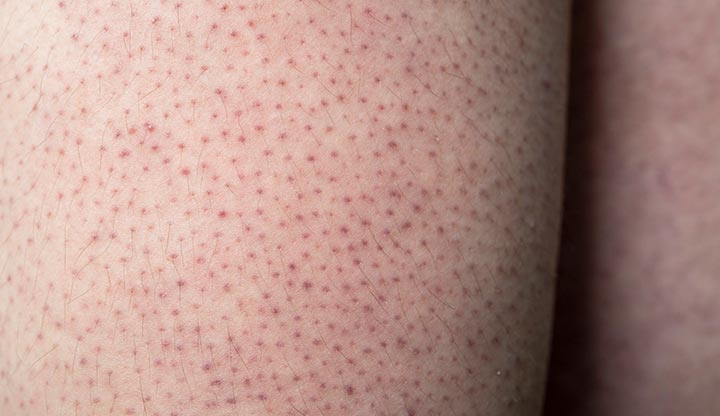
If you have rough, bumpy skin on the upper arms or outer thighs alongside ingrown hairs, you likely have keratosis pilaris. It responds remarkably well to regular glycolic or salicylic acid exfoliation — the same products recommended for ingrown hair prevention. Two problems, one routine.
Shaving the Legs: The Right Approach
Most people shave their legs at the beginning of a shower. Shaving at the end — after 5–10 minutes of warm water exposure — gives the hair shaft time to soften and the skin time to hydrate. The difference in ingrown hair rate over time is significant.
Never press down with the razor. Blade weight plus light gliding pressure is sufficient. Pressing down forces the blade to cut unevenly and increases the chance of the same hair being cut multiple times at different heights — producing an uneven, sharp-tipped stub more prone to growing back into the follicle. Replace cartridge blades every 5–7 shaves of both legs. The common habit of using the same cartridge for weeks is a direct cause of ingrown hairs and irritation.
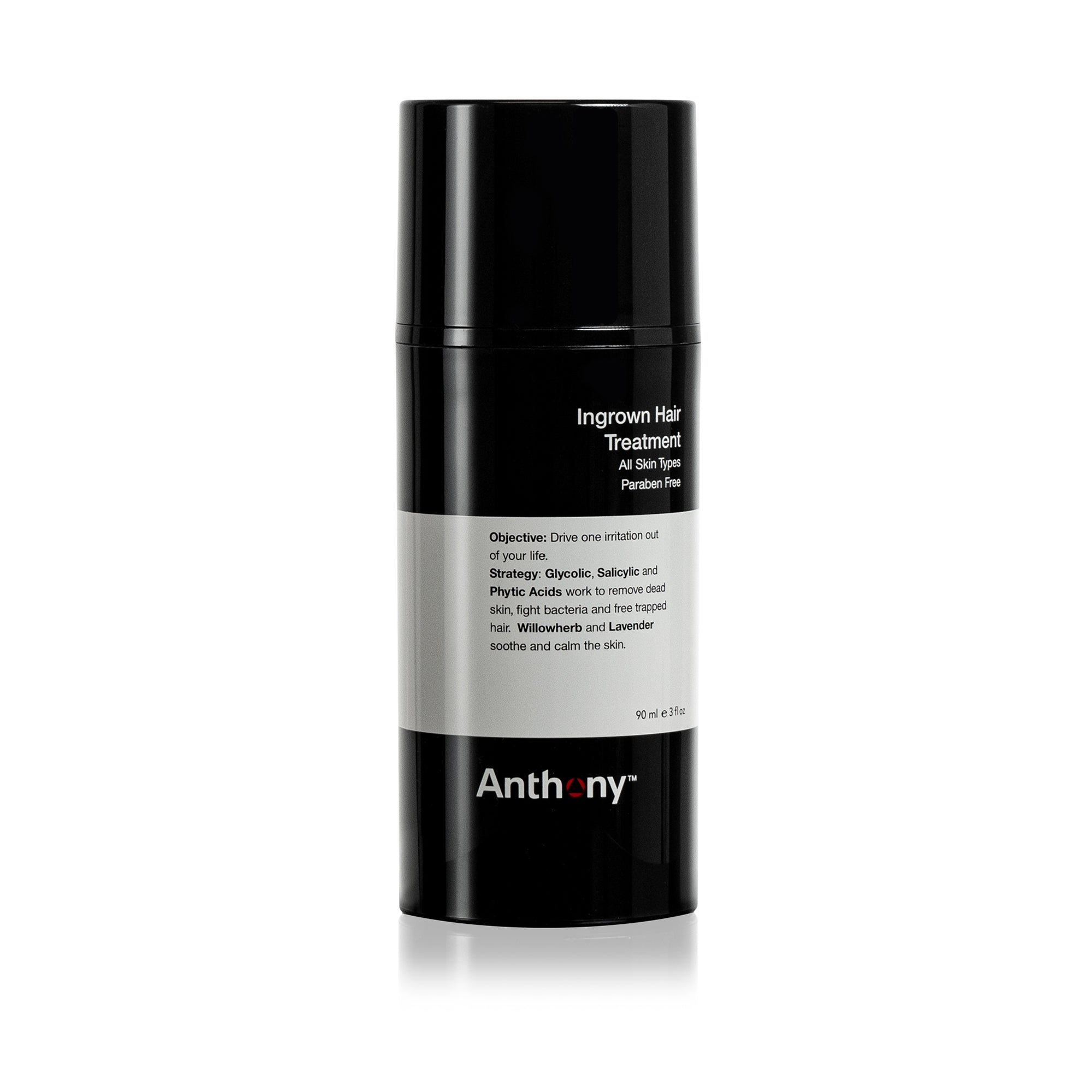
Apply to damp-dry skin immediately after shaving the legs. Prevents follicle blocking during the critical 48-hour regrowth window. Also effective on upper arms for keratosis pilaris.
The Role of Exfoliation
Between shaves, regular exfoliation is the primary prevention tool for ingrown hairs on the legs. The goal is to prevent the buildup of the dead skin layer that blocks follicle openings and traps emerging hairs beneath the surface.
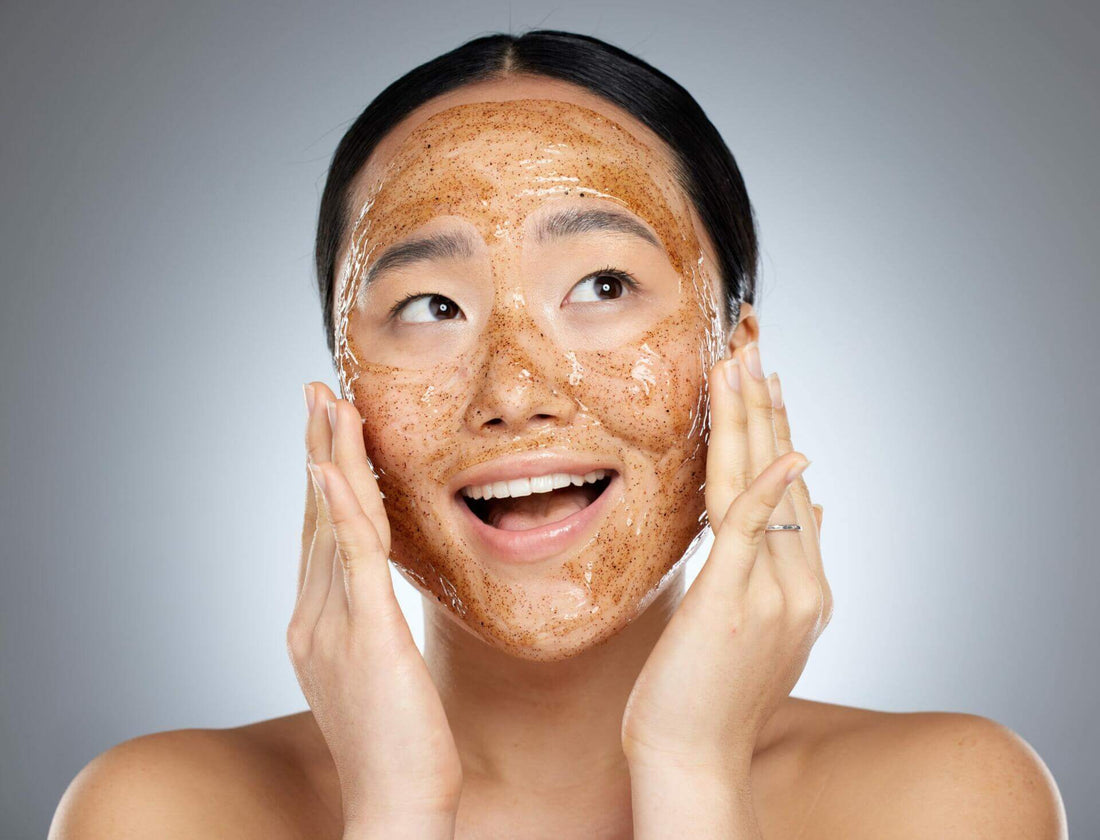
Chemical vs. Physical
Chemical exfoliants (glycolic or salicylic acid) are generally more effective than physical scrubs because they penetrate the follicle — something a surface scrub cannot do. For persistent ingrown hairs on the legs, a BHA applied 2–3 times per week between shaves delivers consistently better results than scrubbing alone.
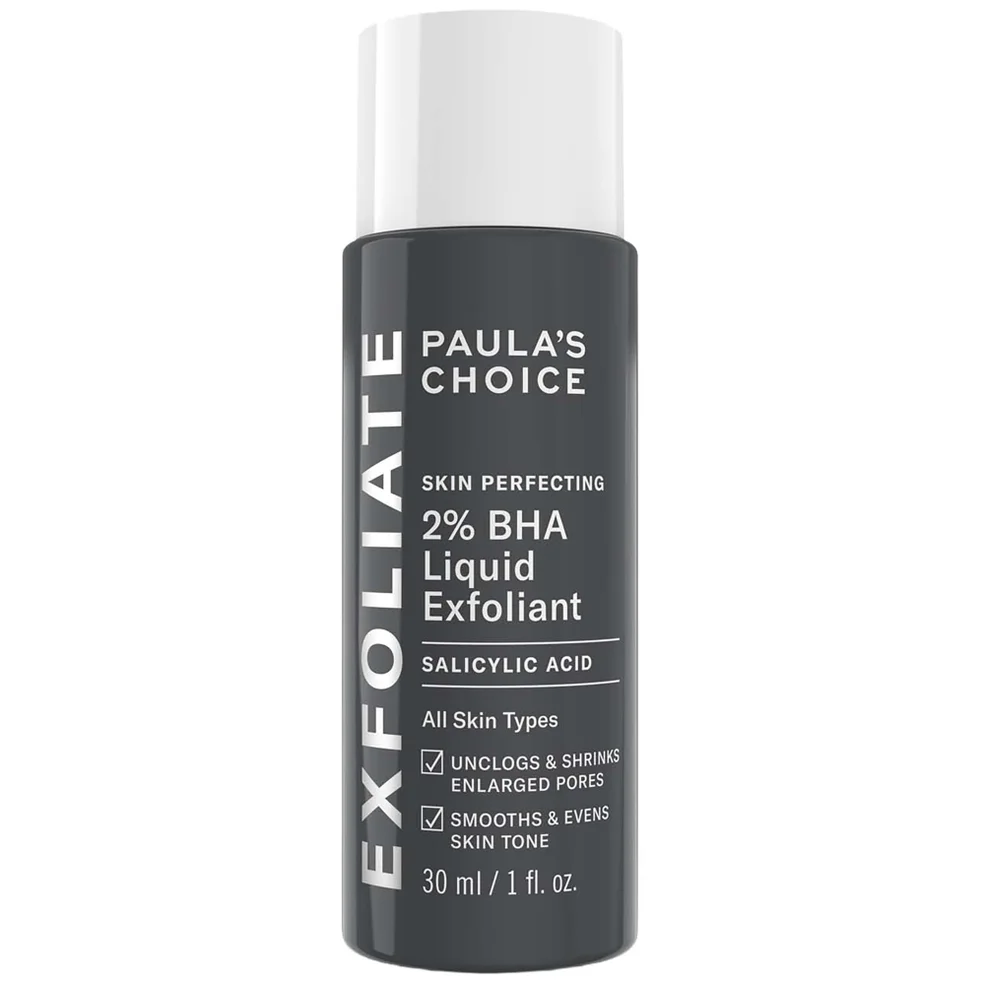
Apply 2–3x weekly between shaves using a cotton pad on the lower legs. Exceptionally effective at keeping follicle openings clear during the regrowth period.
Waxing and Epilating the Legs
Leg waxing produces softer, slower regrowth and when done consistently over time can weaken the hair follicle. However, the first few regrowth cycles after starting waxing are often worse for ingrown hairs than shaving, as the hair has been removed from depth and the follicle needs time to adjust.
Epilators — mechanical devices that grasp and pull hairs — produce similar results to waxing. The ingrown hair pattern mirrors waxing: an adjustment period of increased ingrown hairs followed by significant improvement as the regrowth cycle changes. Begin a consistent twice-weekly glycolic acid routine from the day of your first wax and continue without interruption through the full regrowth cycle.

Best Products for Leg & Arm Ingrown Hairs
Legs and arms are large areas you shave often, so prevention is about covering ground efficiently — and legs are the single best area for permanent reduction with IPL. Here is what actually works, in the order most people need it.
CeraVe SA Body Wash
The smart base for legs: a gentle exfoliating wash you can run over both legs in the shower every day. It keeps follicles clear across a big surface without the time or cost of treating every spot individually.
Check price on Amazon →Bump Patrol Original
Cheap enough to use generously across both legs for active bumps. Legitimate acids at a fraction of the price of boutique serums.
Check price on Amazon →Merkur 34C Safety Razor
Most leg ingrowns trace back to a multi-blade cartridge cutting hair below the skin. A single-blade razor cuts at skin level — the cheapest high-leverage fix for legs.
Check price on Amazon →Nood Flasher Pro IPL
Legs are the ideal IPL area: large, frequently shaved, and usually a good skin/hair match. A few months of sessions and you largely stop getting leg ingrowns for good.
Check price on Amazon →For the full device comparison (Nood vs Ulike vs Braun vs Philips), see our best at-home IPL guide.
Arms and Upper Body
Arm hair is finer than leg hair and less frequently removed, meaning ingrown hairs on the arms are less common from shaving. The more typical presentation on the upper arms is keratosis pilaris — follicle-plugging bumps that respond to the same treatment approach. For people who do shave their arms, the same protocol applies: end-of-shower timing, fresh blades, with-the-grain direction, and post-shave salicylic acid application.
"The most common mistake I see with leg and arm ingrown hairs is that people focus entirely on shaving technique but never address the between-shave period. The 5 days between shaves are when the follicle environment is set — and that's when exfoliation makes all the difference."
Best immediate post-shave application for the legs. Prevents follicle blocking during the critical 48-hour window.
Apply 2–3x weekly between shaves. Consistently prevents the follicle buildup that causes ingrown hairs on the lower legs.
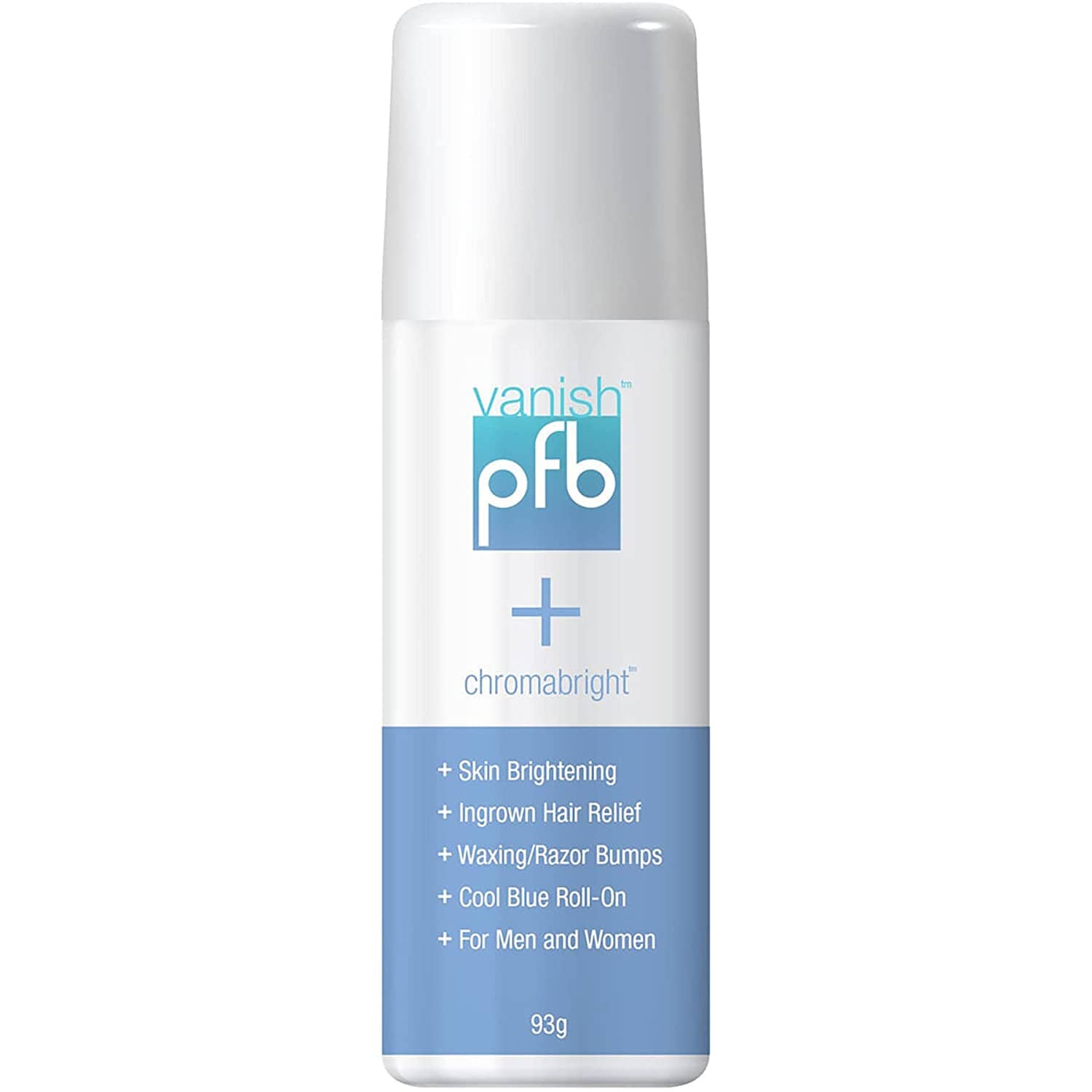
Best if you have post-ingrown dark marks on the legs alongside active ingrown hairs. Addresses both simultaneously.